Teyu Wang
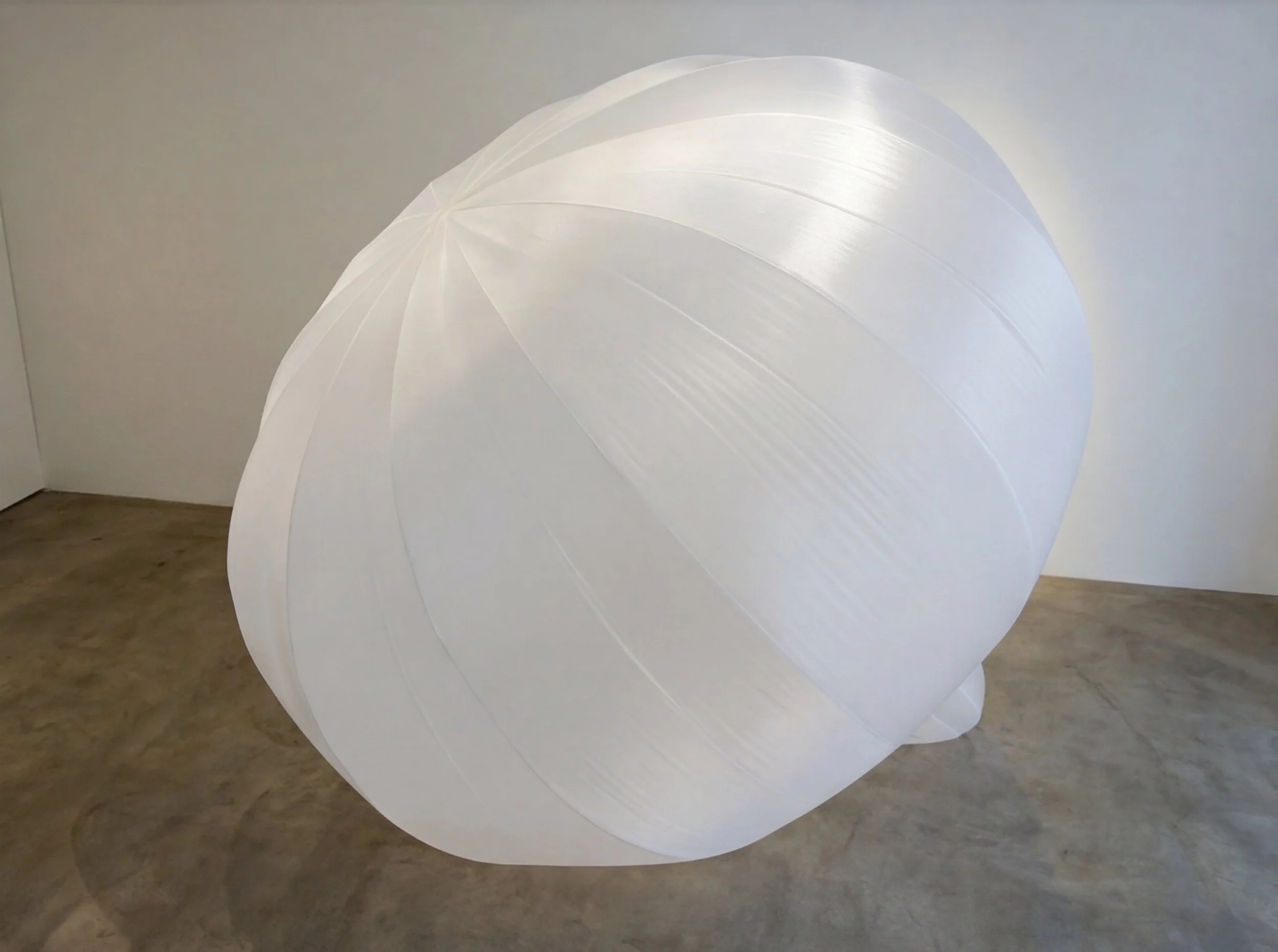
No. 84
2016/2026
Fabric, fan
Approx. 300 x 300 x 280 cm
Edition of 3 + 1 A.P.
CHF 22,300 / EUR 24,280
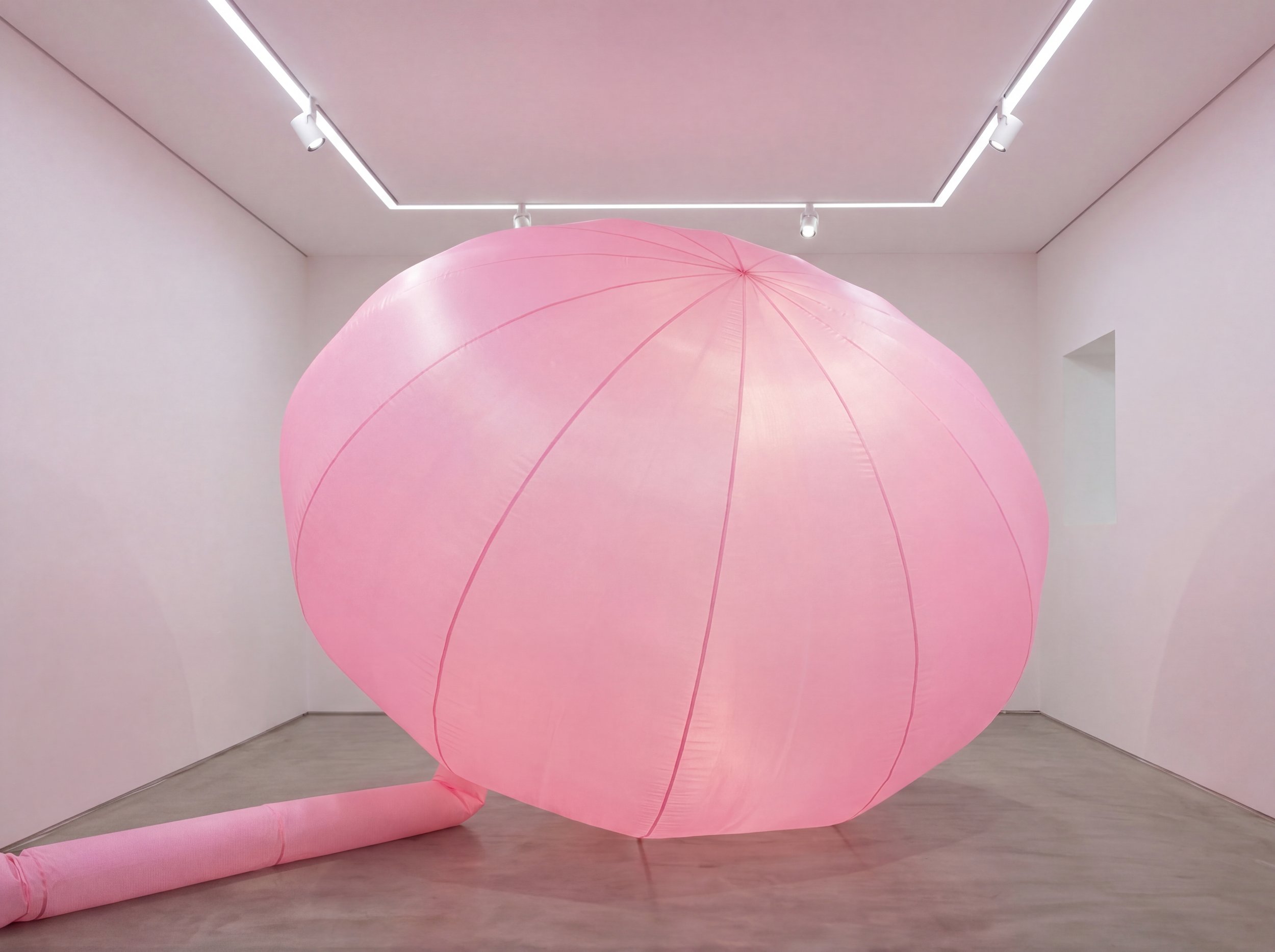
No. 84
2016/2026
Fabric, fan
Approx. 300 x 300 x 280 cm
Edition of 3 + 1 A.P.
CHF 22,300 / EUR 24,280
Teyu Wang
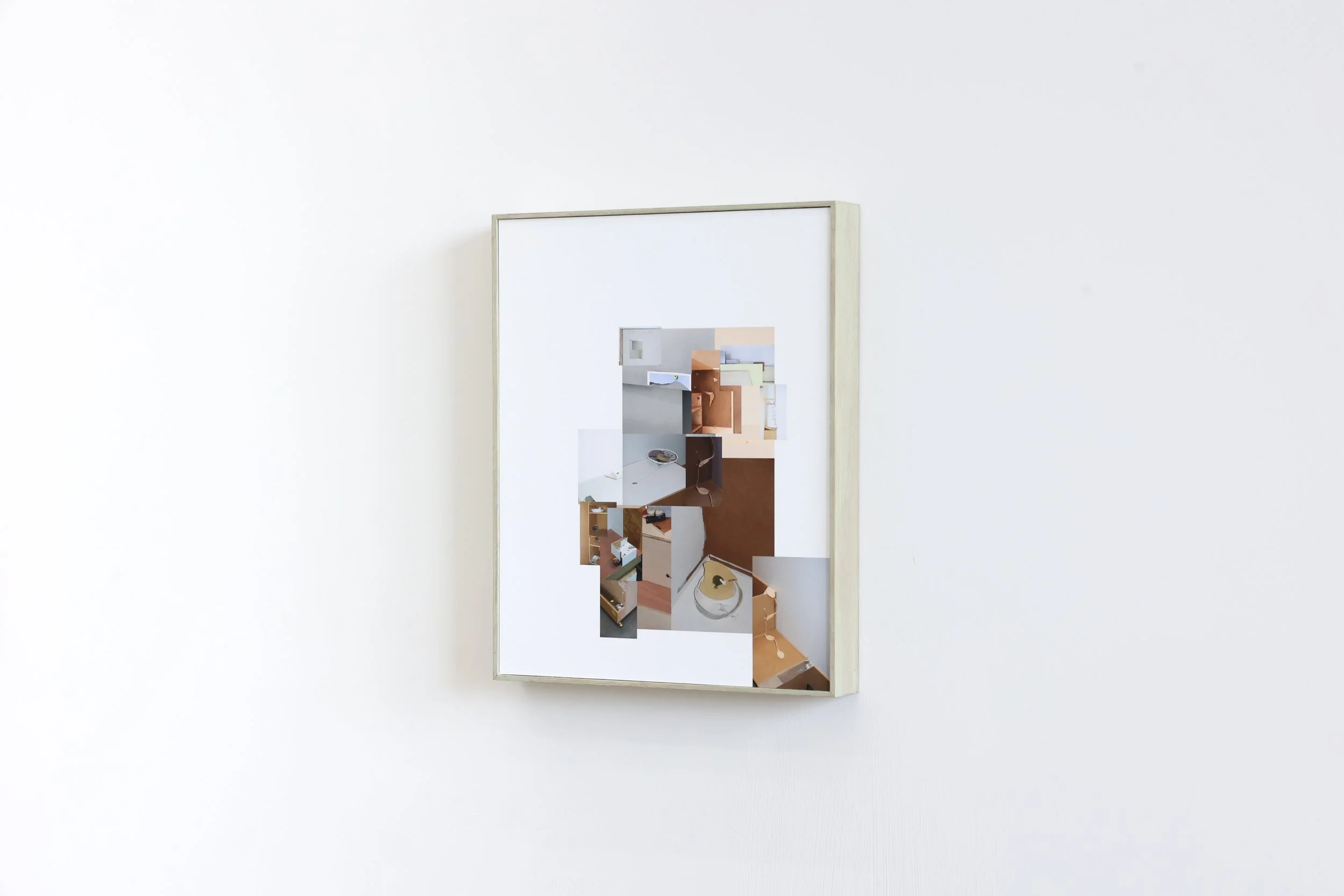
Choreography of Stillness #1
2026
Giclée fine art print, handcrafted and stained wooden frame
20.5 x 25.5 x 3 cm
Edition of 5 + 1 A.P.
CHF 1,570 / EUR 1,710
Sara Wu
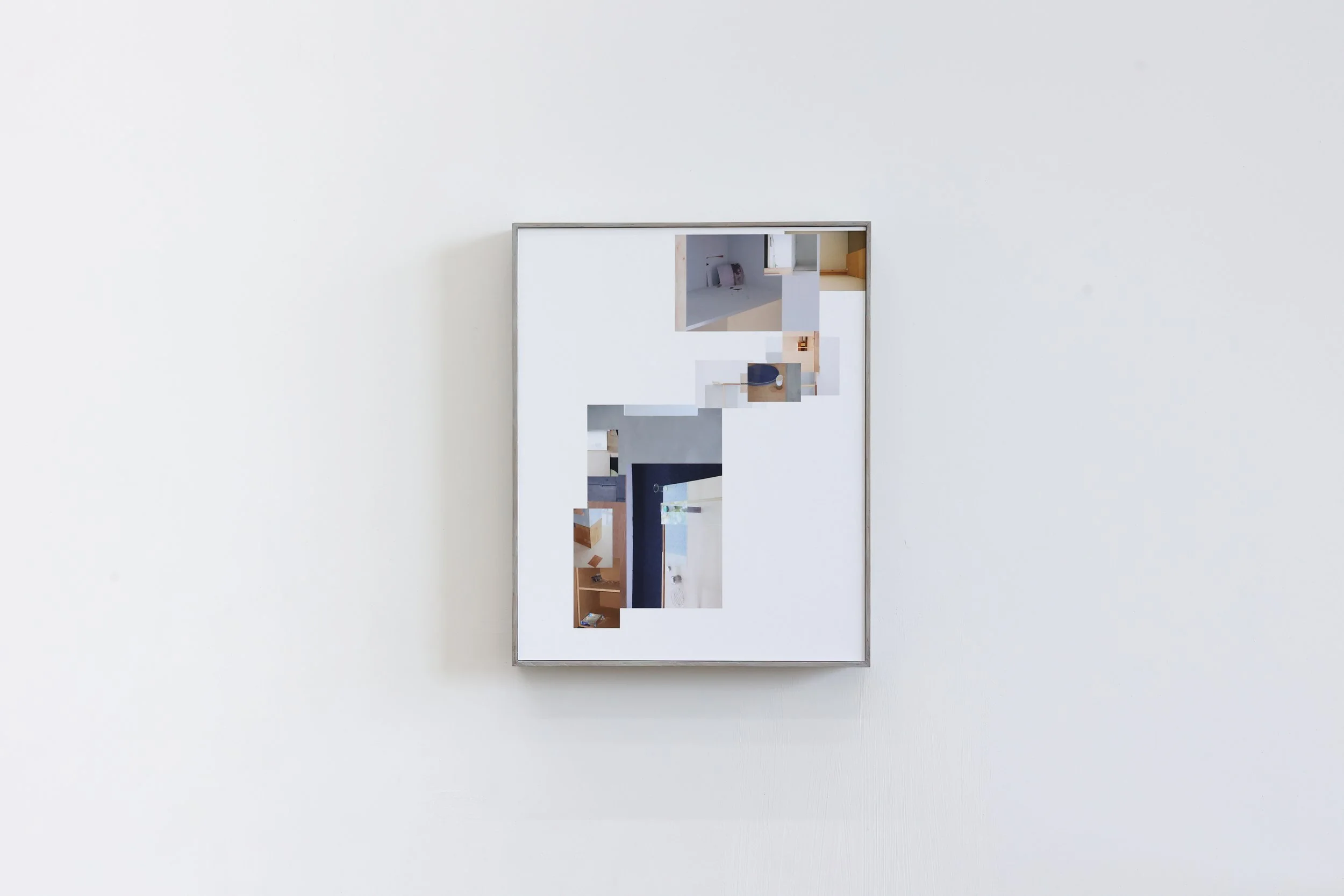
Choreography of Stillness #2
2026
Giclée fine art print, handcrafted and stained wooden frame
20.5 x 25.5 x 3 cm
Edition of 5 + 1 A.P.
CHF 1,570 / EUR 1,710
Sara Wu
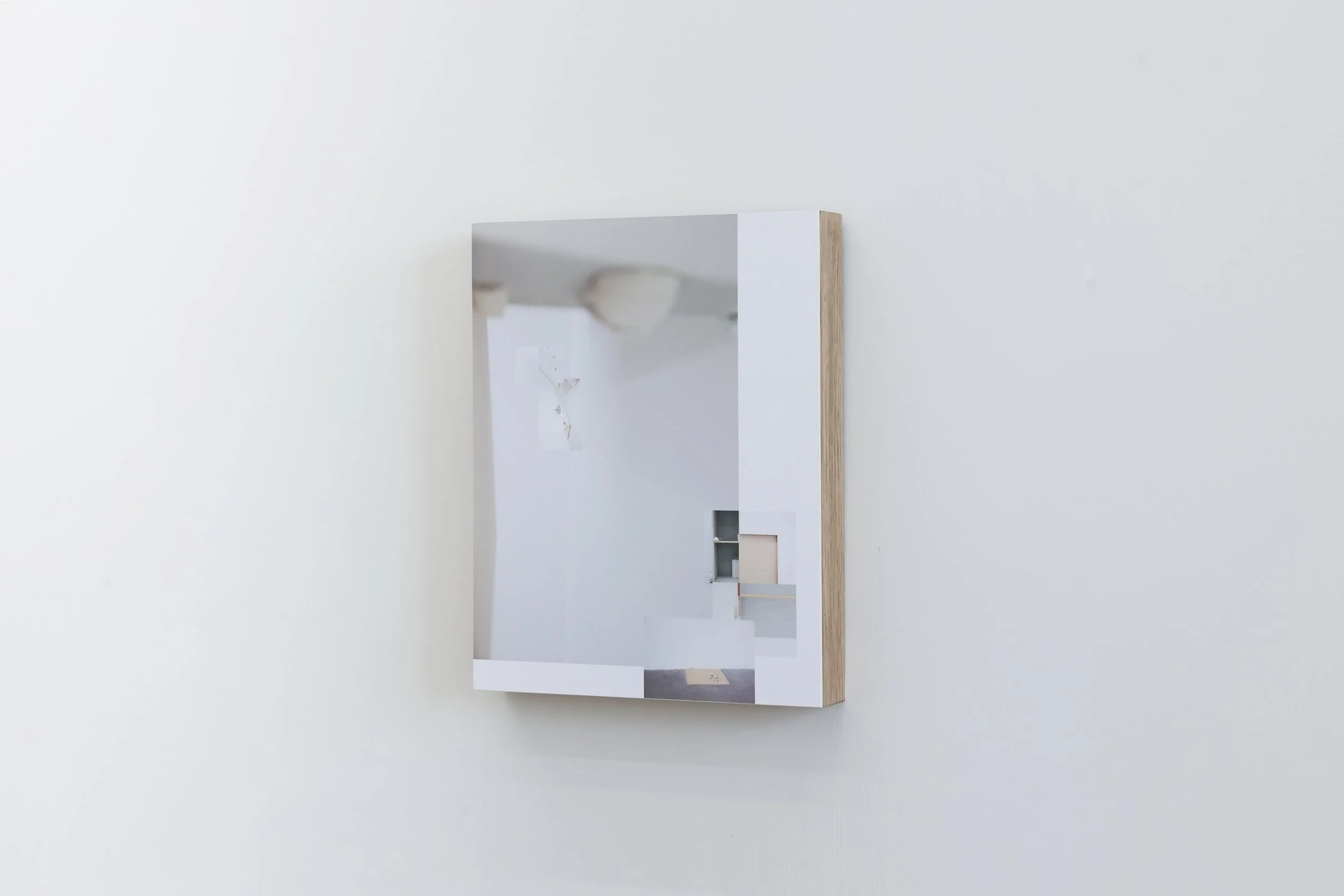
Choreography of Stillness #3
2026
Giclée fine art print, handcrafted wooden frame
20.5 x 25.5 x 3 cm
Edition of 5 + 1 A.P.
CHF 1,570 / EUR 1,710
Sara Wu
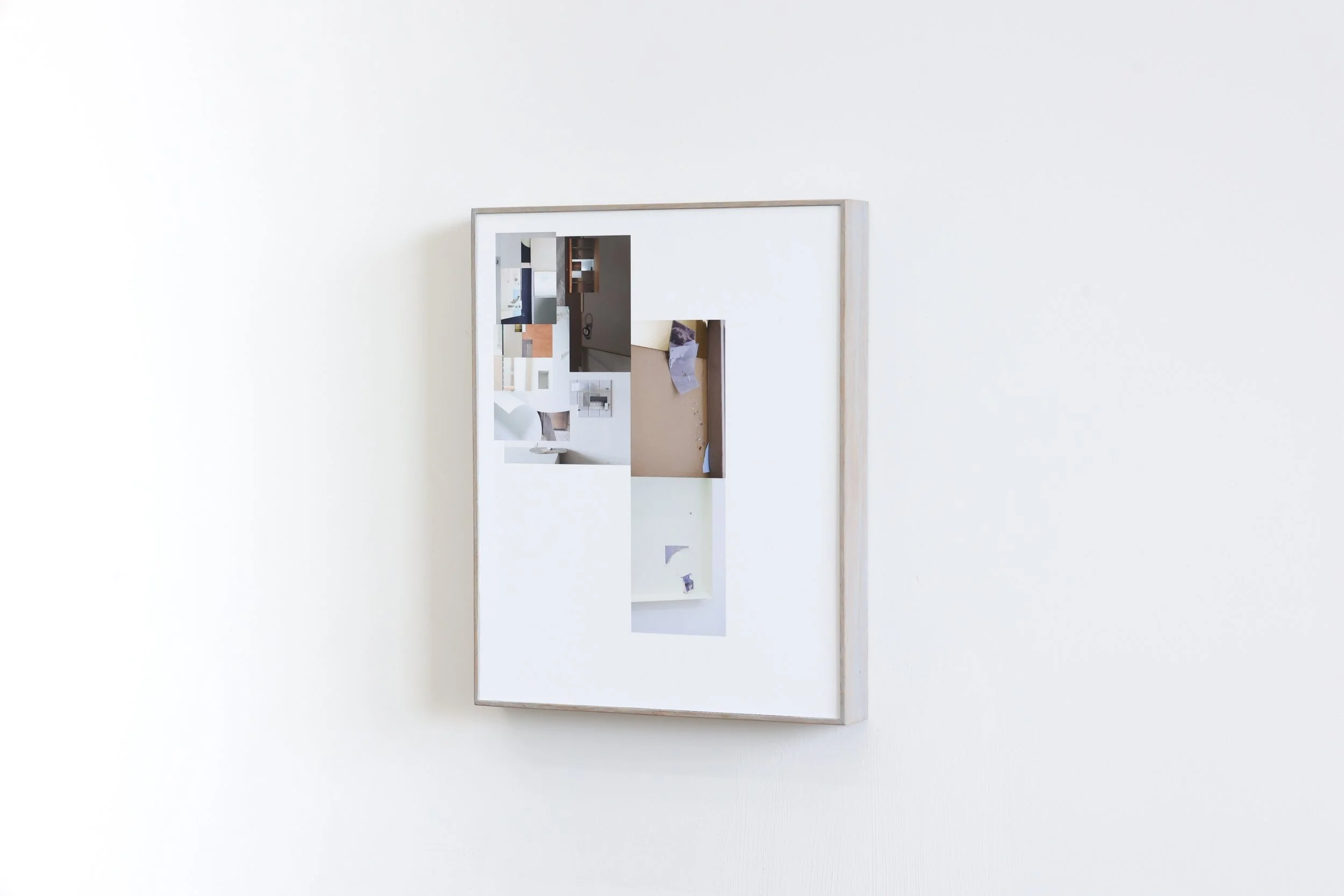
Choreography of Stillness #4
2026
Giclée fine art print, handcrafted and stained wooden frame
20.5 x 25.5 x 3 cm
Edition of 5 + 1 A.P.
CHF 1,570 / EUR 1,710
Sara Wu
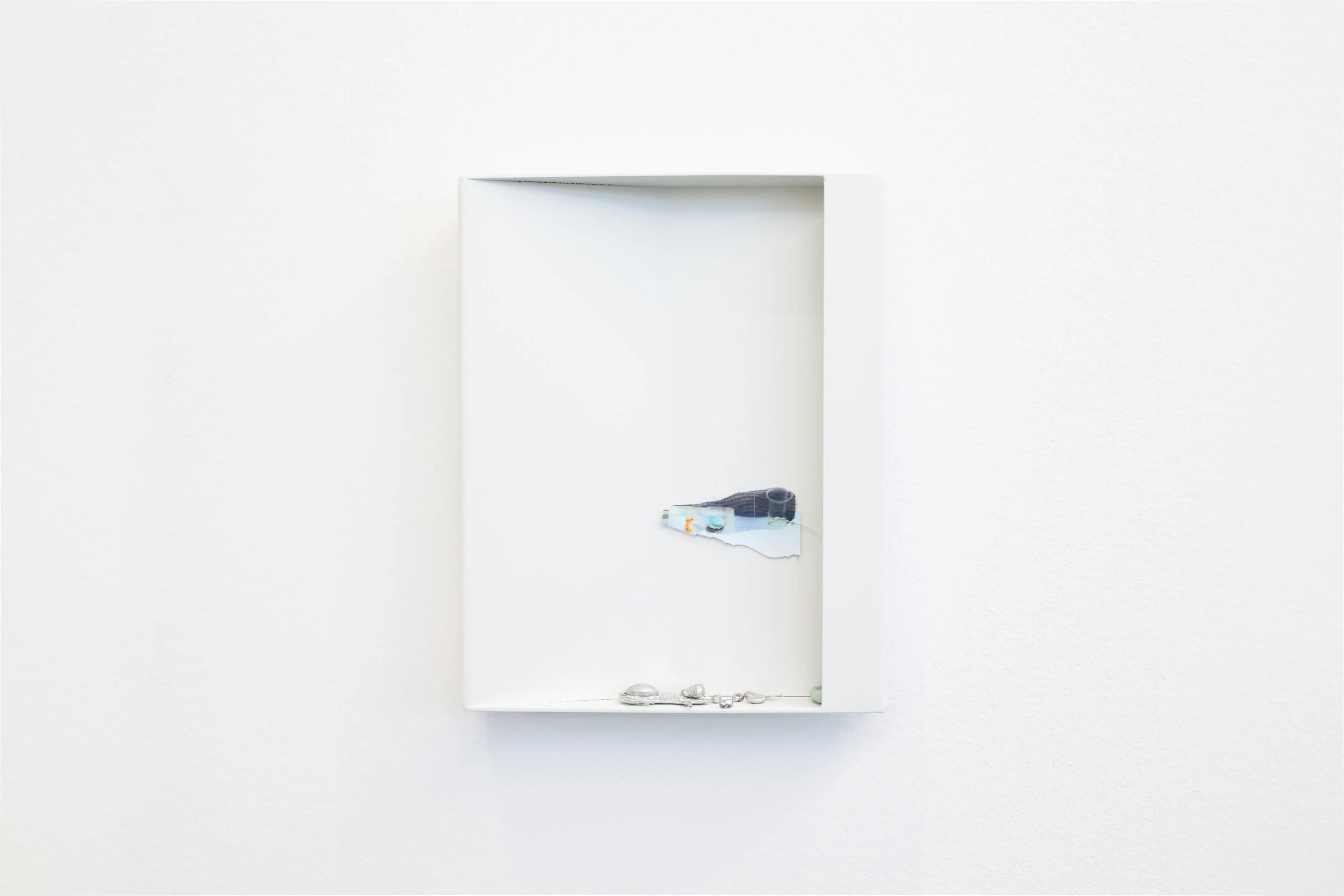
Indexes of the Absent #1
2026
Metal, giclée fine art print, inkjet print on textile resin, silver, tin
20 x 25 x 3 cm
CHF 2,140 / EUR 2,330
Sara Wu
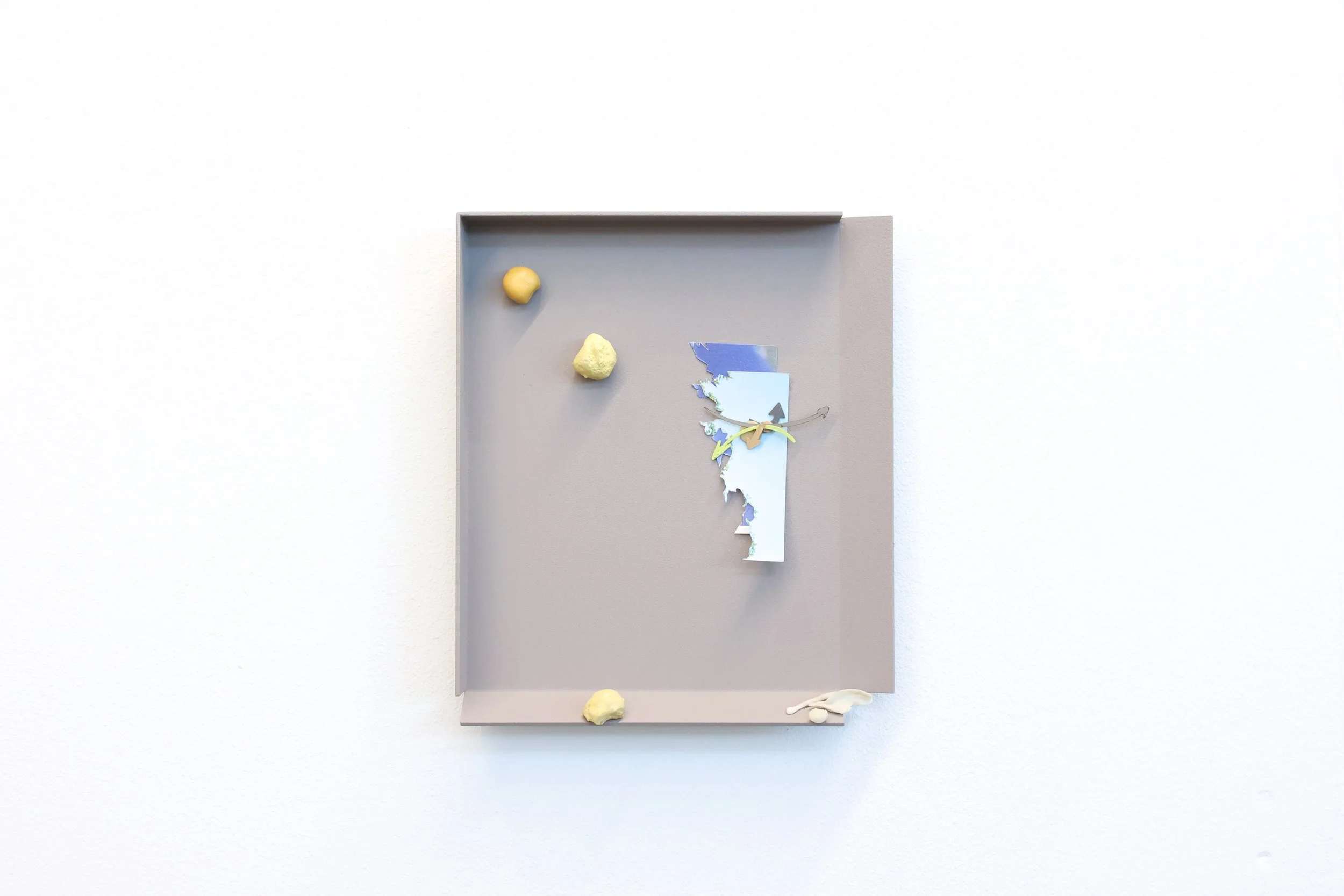
Indexes of the Absent #2
2026
Metal, giclée fine art print, ceramic, resin, paper mache
22.8 x 26.7 x 3 cm
CHF 2,140 / EUR 2,330
Sara Wu
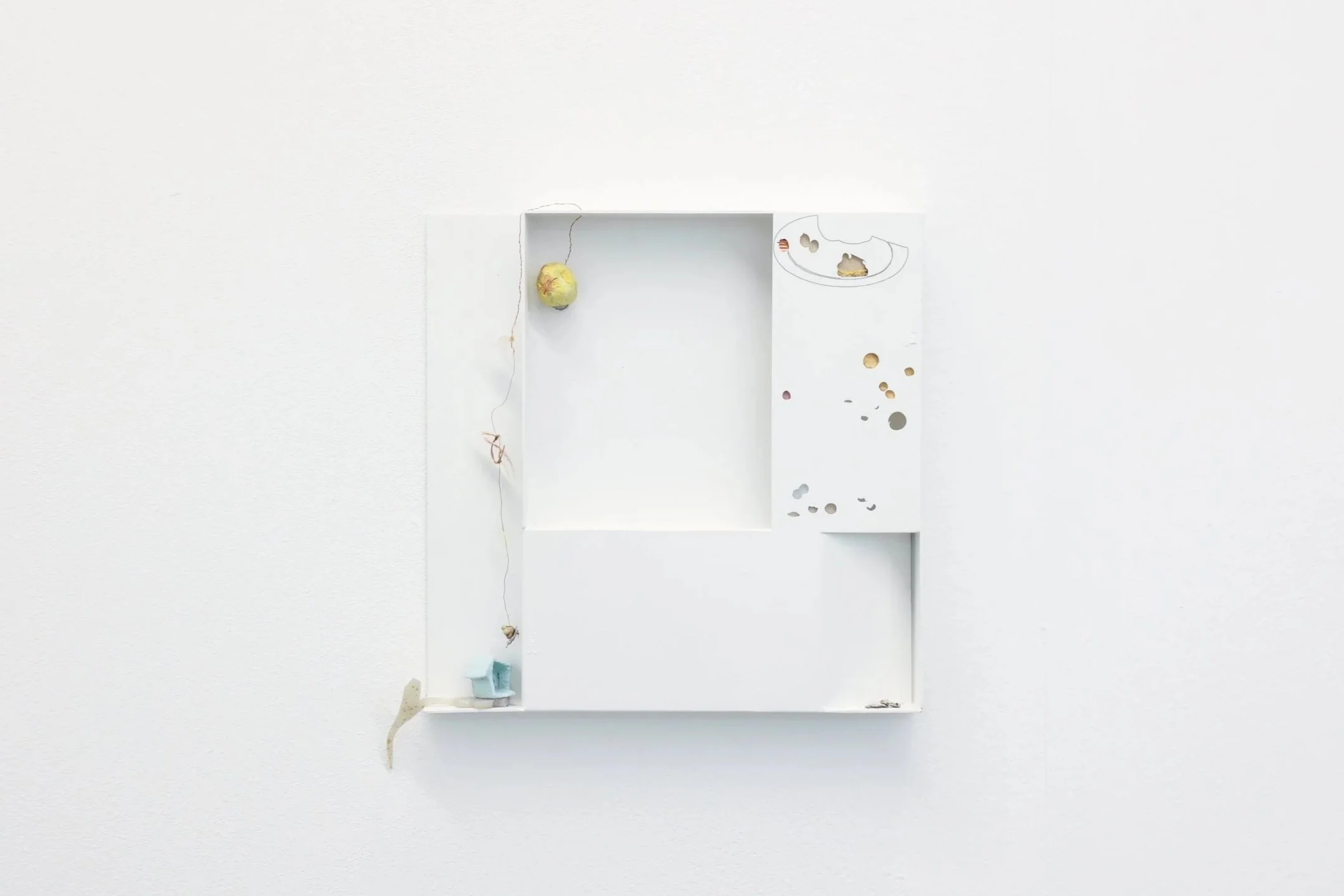
Indexes of the Absent #3
2026
Metal, silicone, resin, paper mache, textile, thread, silver, tin
28.5 x 25 x 3 cm
CHF 2,280 / EUR 2,490
Sara Wu
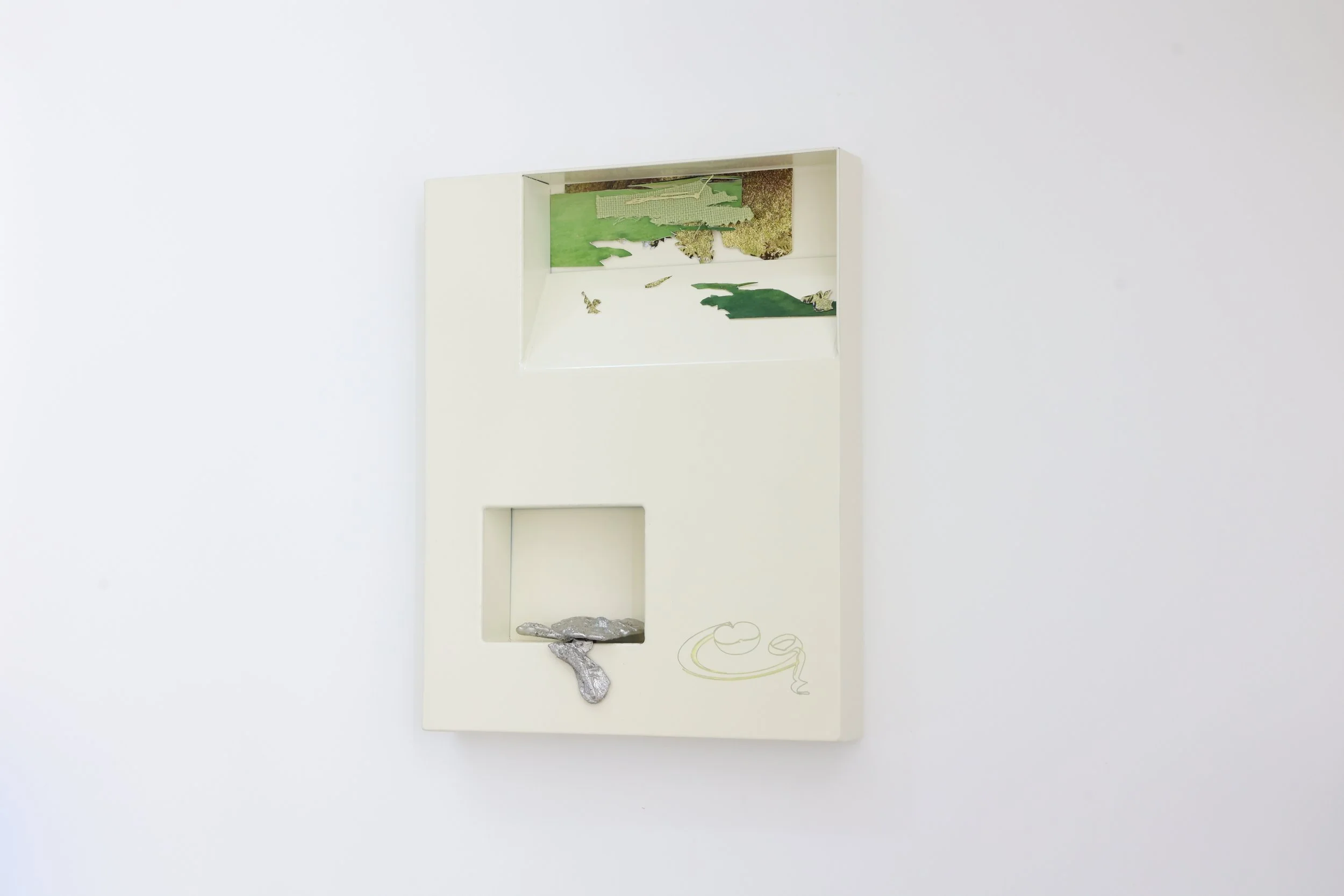
Sara Wu
Indexes of the Absent #4
2026
Metal, giclée fine art print, paper mache, textile, thread, silver, tin
20 x 25 x 3 cm
CHF 2,280 / EUR 2,490
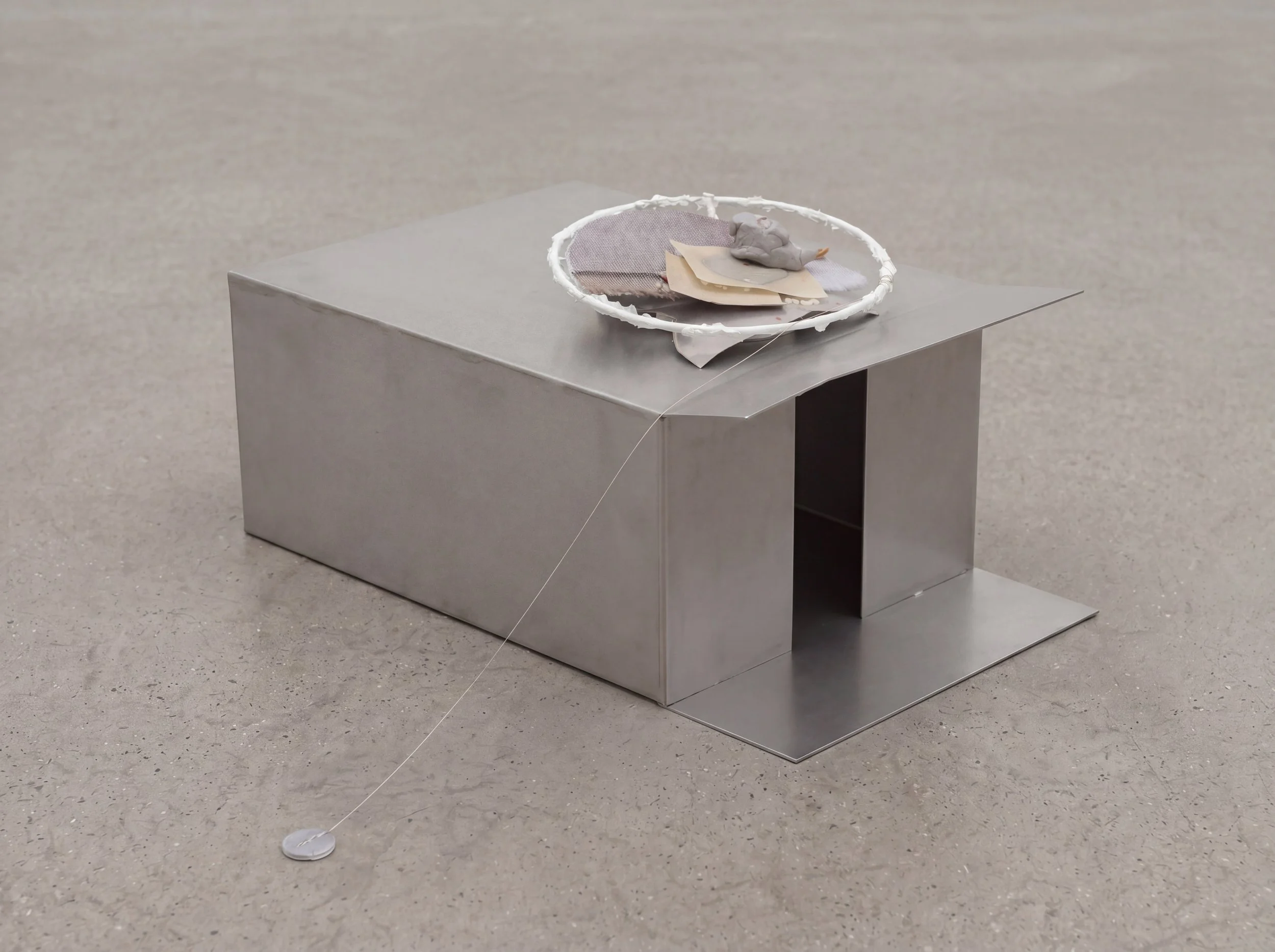
The Scales of Mundane Hours #1
2026
Metal, concrete, plaster, clay, inkjet print on textile, paper mache, artist-made paint, silicone
Dimensions variable (Approx. 38.5 × 42 x 23 cm)
CHF 2,350 / EUR 2,570
Sara Wu
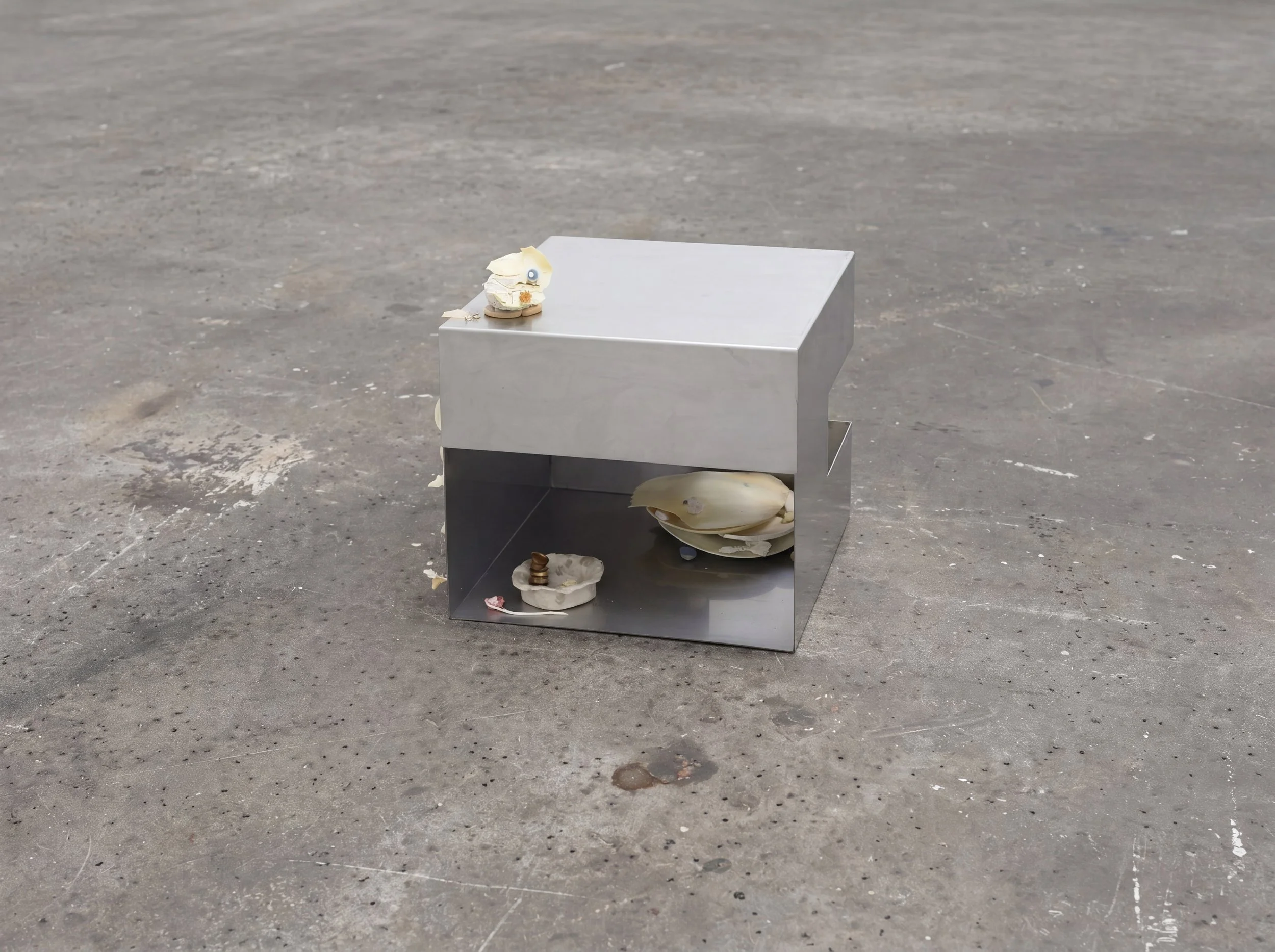
The Scales of Mundane Hours #2
2026
Found object, wood, metal, concrete, plaster, clay, inkjet print on textile, paper mache, artist-made paint, silicone
Approx. 42 × 35 × 37 cm
CHF 2,550 / EUR 2,800
Sara Wu
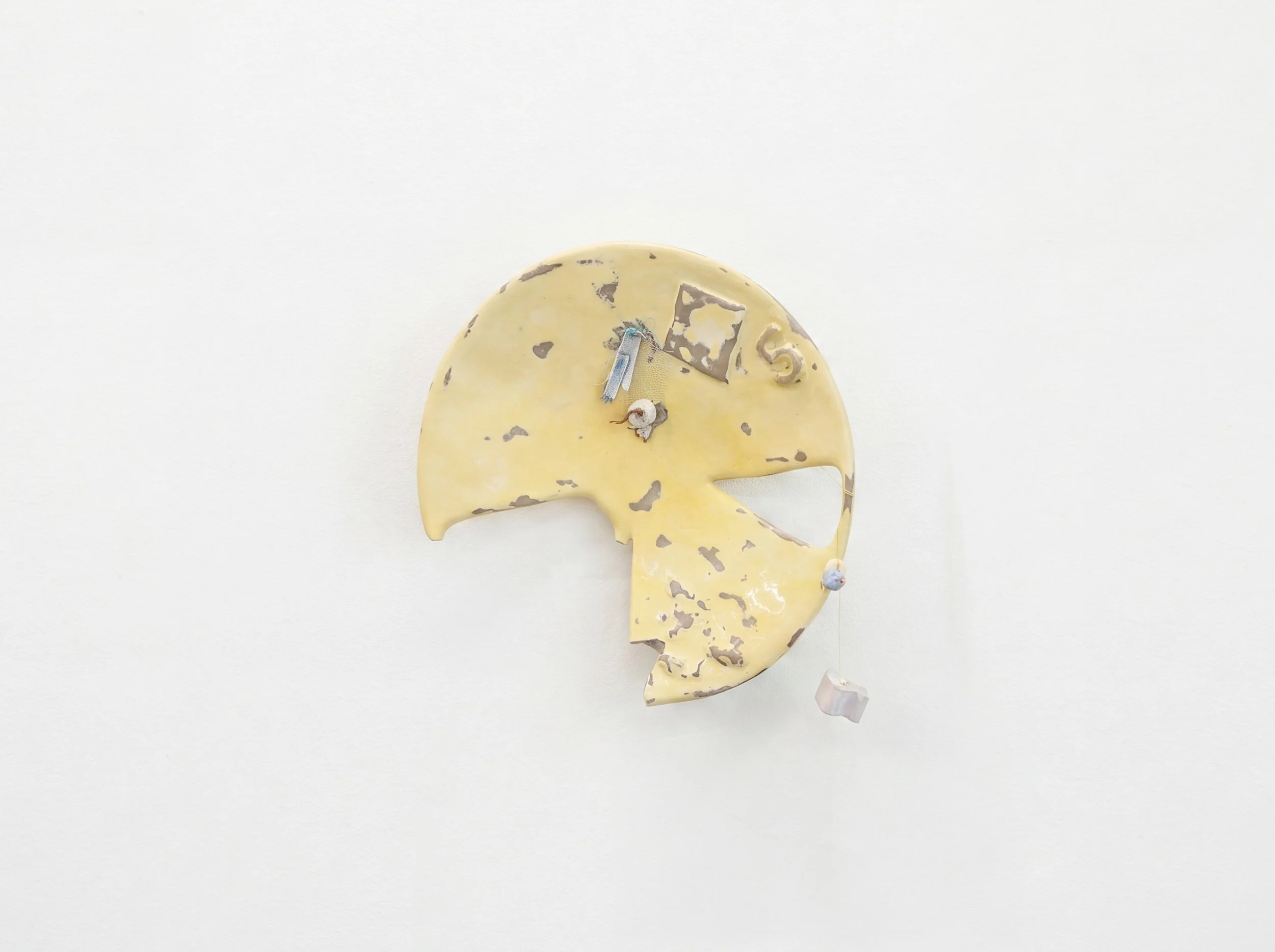
The Scales of Mundane Hours #3
2026
Epoxy, plaster, ceramic, metal, textile, thread, paper mache, silver, tin
Approx. 27 x 25 x 5 cm
CHF 2,280 / EUR 2,490
Sara Wu
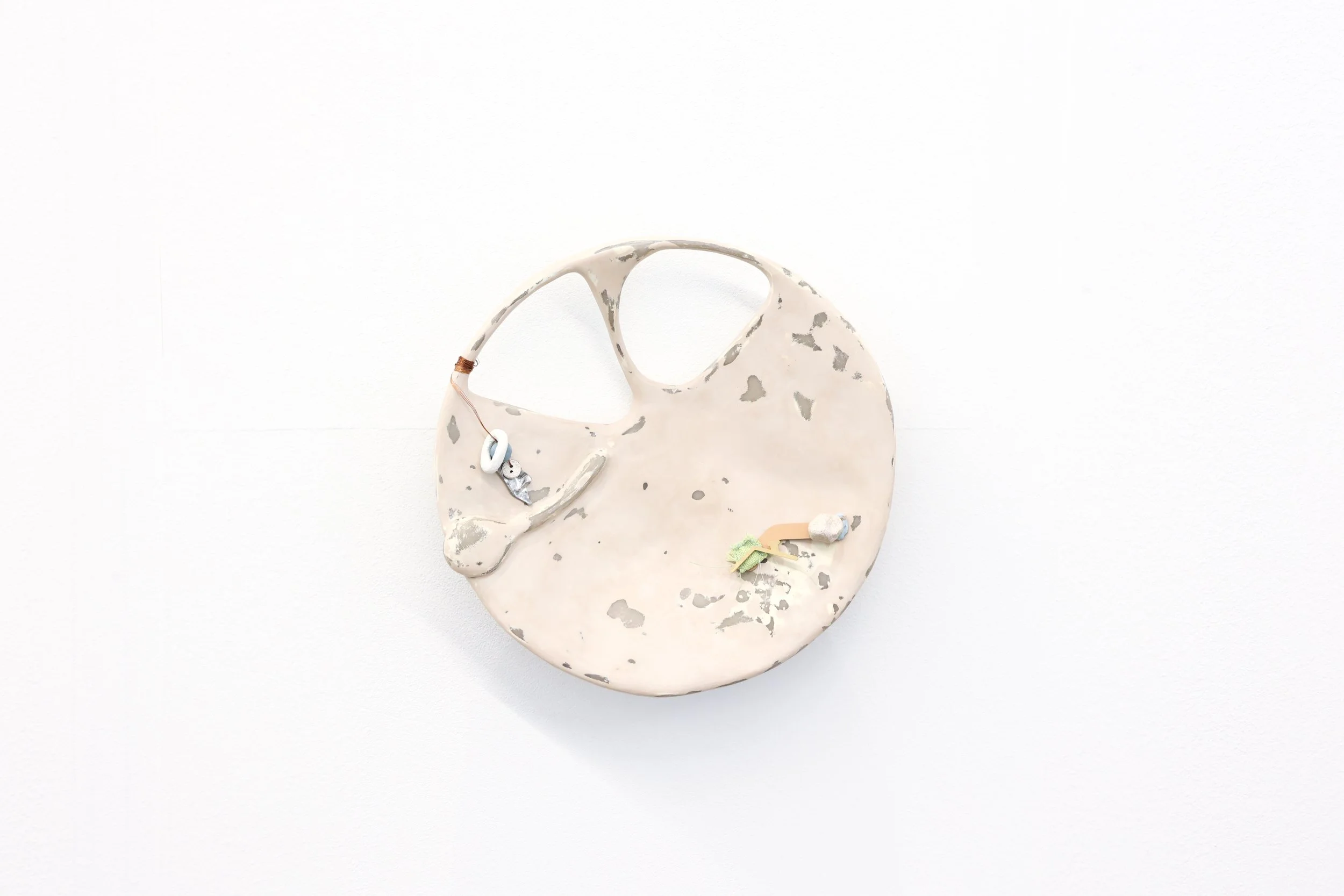
The Scales of Mundane Hours #4
2026
Epoxy, plaster, ceramic, metal, textile, thread, paper mache, silver, tin
Approx. 25 x 25 x 5 cm
CHF 2,280 / EUR 2,490
Sara Wu
About the artists
Unstable Grounds
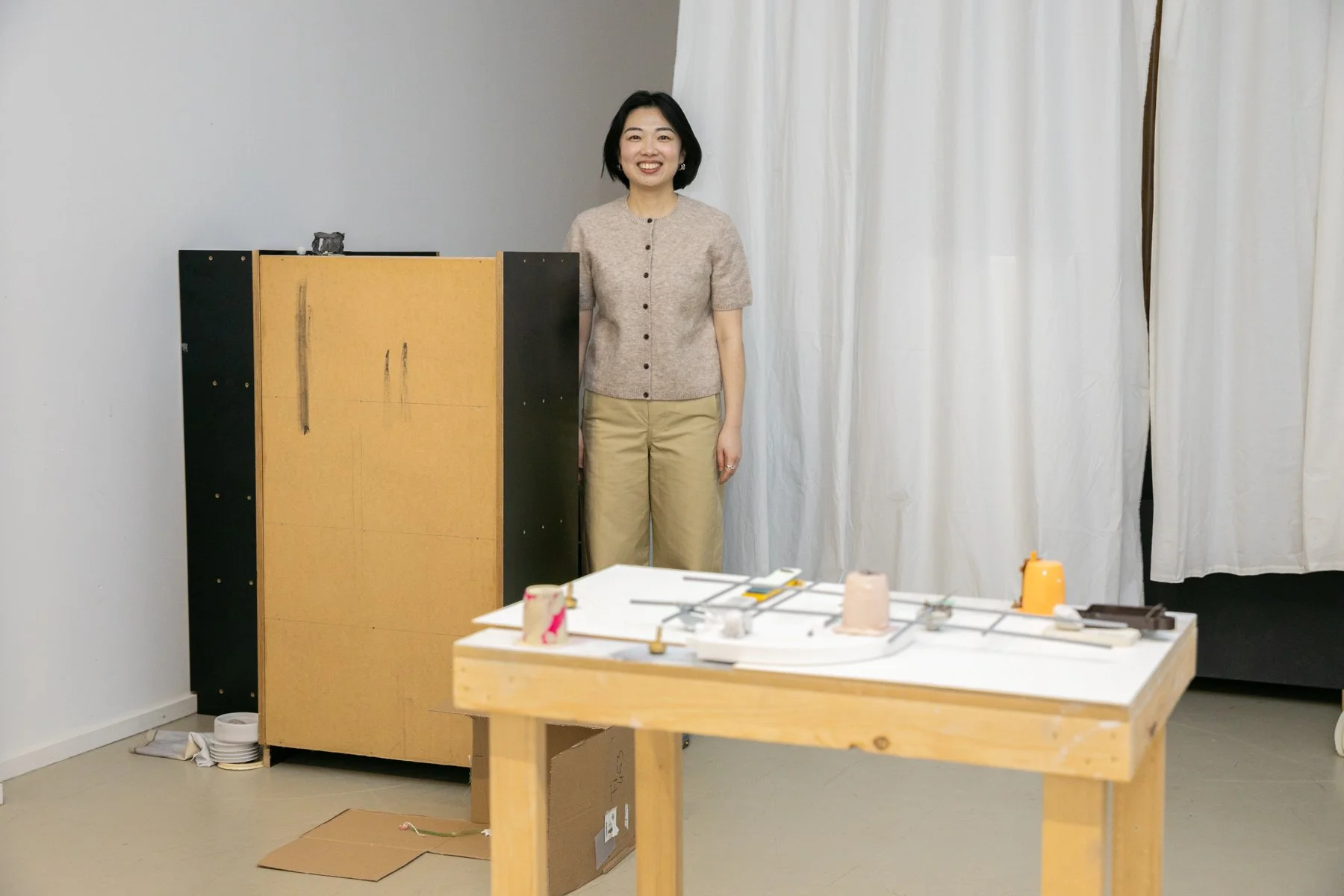
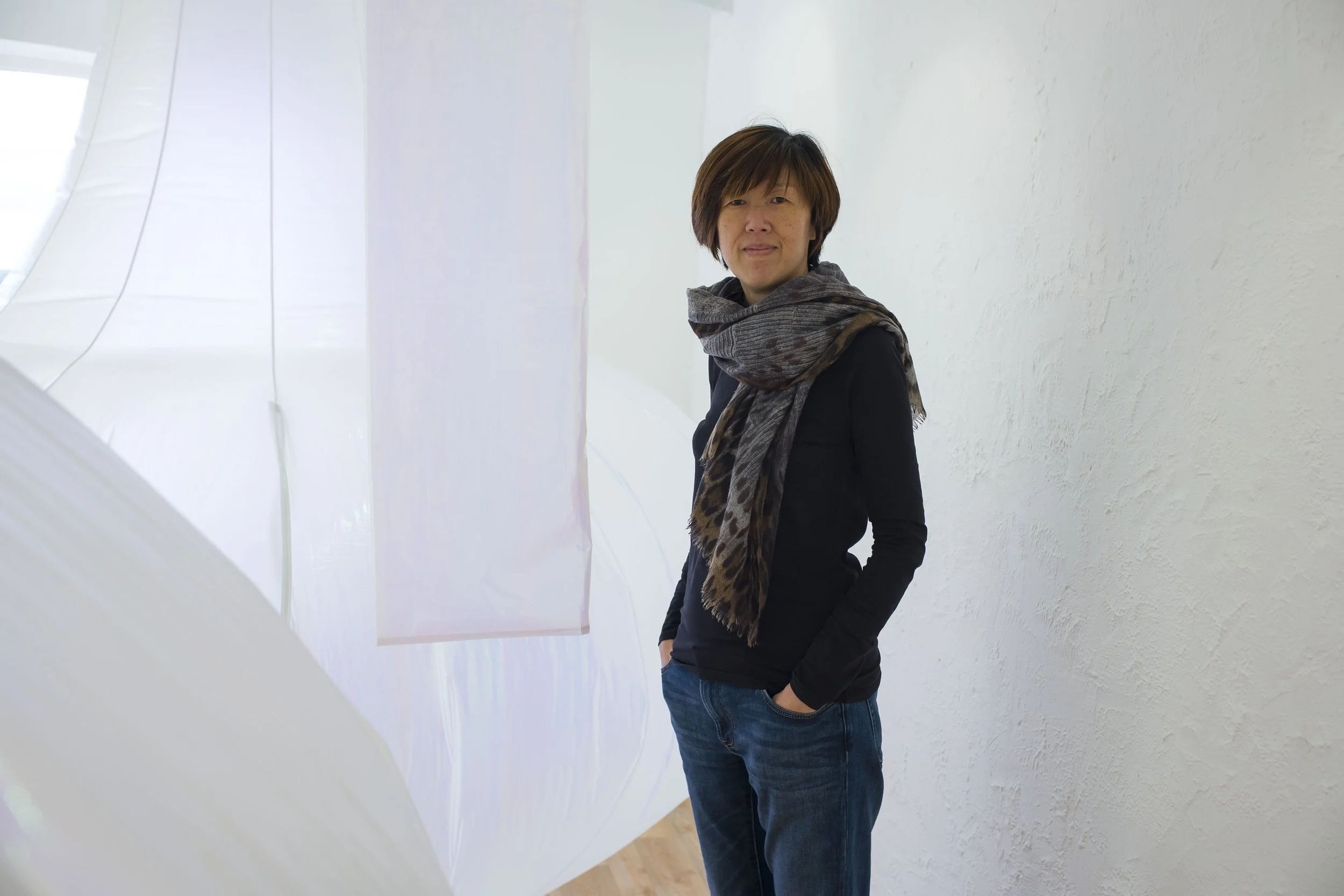
Presented at Liste this year, Unstable Grounds brings together the work of two Taiwanese artists, Teyu Wang and Sara Wu. From different generations, their practices explore space through the body, perception, and the conditions of presence. In this two-person presentation, both artists place the relationship between space, the body, and the object at the centre of their practice, examining how everyday structures shape, regulate, and construct our lived experiences. In their work, the body is not a symbol to be observed but an active agent—continually negotiating spatial conditions, perceptual habits, and accumulated histories.
This duo presentation explores the power dynamics inherent in the nexus of ‘space, body, and perception’, emphasising that space is not a static backdrop to events, but rather a continuously operating form of power. The two artists approach the experiences shaped by spatial structures from distinct perspectives. Wang, through subtle adjustments to scale, distance, and pathways, compels the viewer to physically re-evaluate their interaction with the space; whilst Wu uses the modern home and standardised living as her starting point to illustrate how seemingly neutral spatial orders construct the frameworks of behaviour, labour, and perception.
The exhibition highlights that space is never a passive backdrop but an operative form of power. The structures of built space shape which actions and bodies are deemed acceptable, naturalising certain patterns of behaviour. Yet the body is never fully contained; it adapts, resists, and generates new possibilities. Space is therefore intrinsically political, negotiating visibility, access, and the boundaries of agency whilst leaving room for unanticipated forms of presence.
This line of thinking extends towards broader social space and resonates with the particular position of Taiwan. The artists work within a place whose geopolitical condition is marked by ambiguity—a status that is often suspended in formal discourse yet deeply entangled in global economic, technological, and geopolitical networks. Its presence, though not always explicitly articulated, exerts a quietly persistent influence, occupying a position that shifts between recognition and obscurity. Through the artists’ perceptual strategies, these dynamics become tangible as lived, embodied realities rather than abstract concerns.
Through their respective practices, the artists demonstrate that the spaces of daily life are active sites of production, adjustment, and the continual reinforcement of norms. Unstable Grounds offers a perceptual framework through which the politics of space and the conditions of existence may be reconsidered, allowing the cultural situatedness of this region to be sensed and re-read through artistic experience.
About ss space space
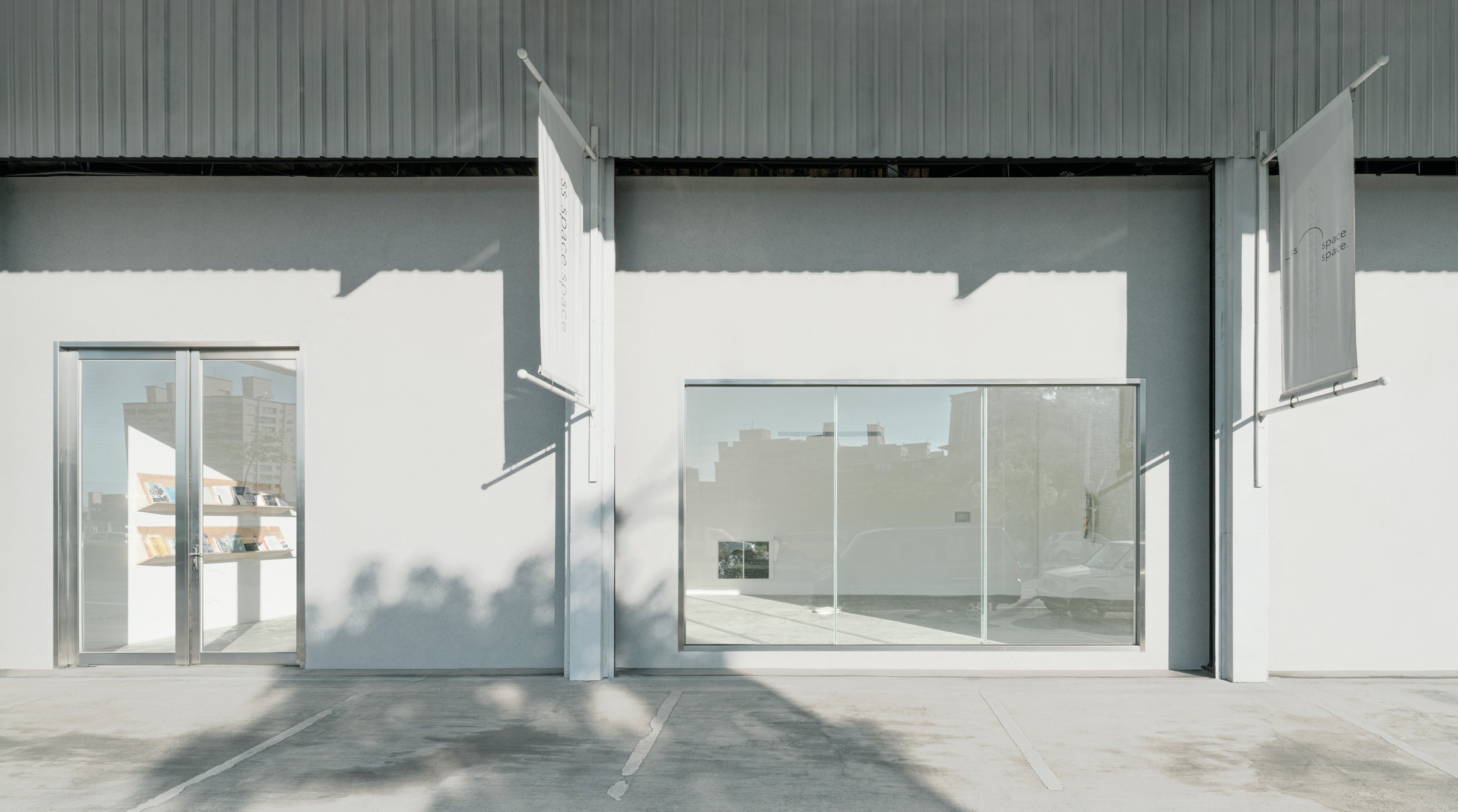
ss space space is an independent, artist-run institution that integrates gallery operations, research and development, and an international exchange platform. Rooted in the core tenets of 'experimentation' and 'dialogue', it is dedicated to connecting existing art institutions, practitioners, and the public.
The space maintains a long-term commitment to collaborating with international artists, curators, and interdisciplinary scholars. To date, it has partnered with practitioners from over twenty countries, including internationally acclaimed figures and promising emerging talents. As one of the few research-driven artist-run spaces in Taiwan, ss space space actively serves as a vital nexus between creators and diverse art institutions, ensuring that Taiwanese contemporary art continues to resonate within the global cultural arena.
ss space space 3rd Anniversary Edition
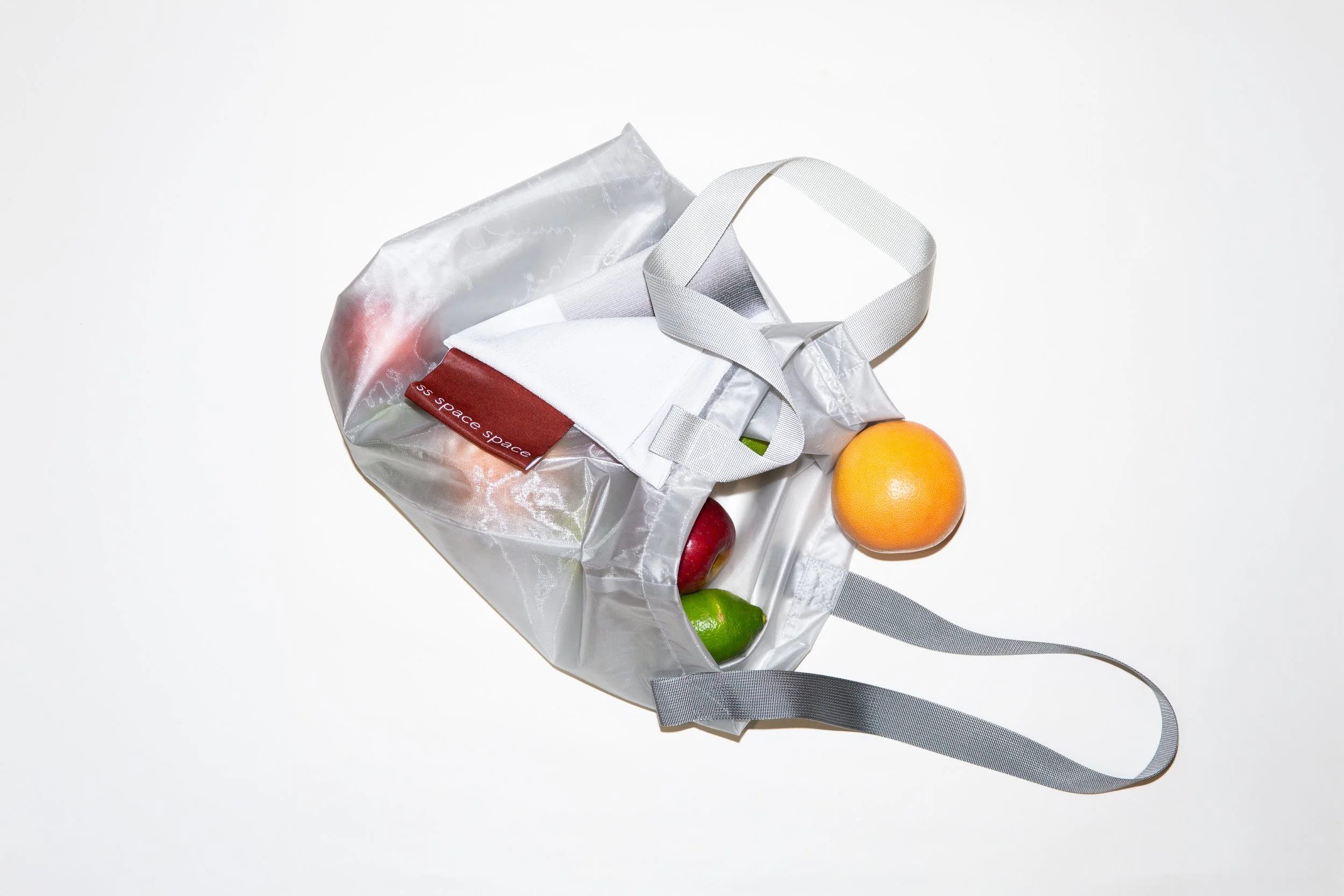
Teyu Wang × Sara Wu Collaborative Tote Bag