

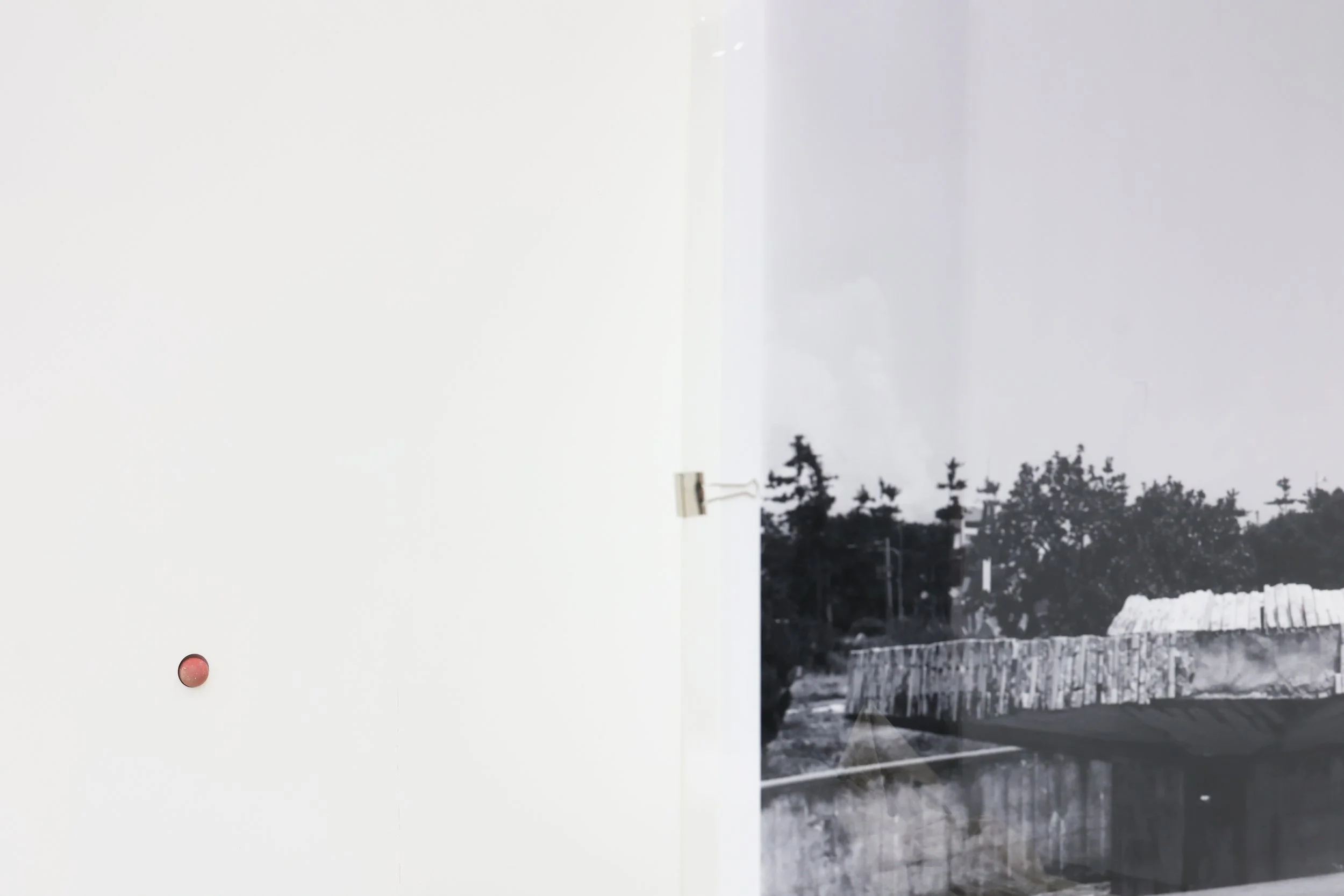
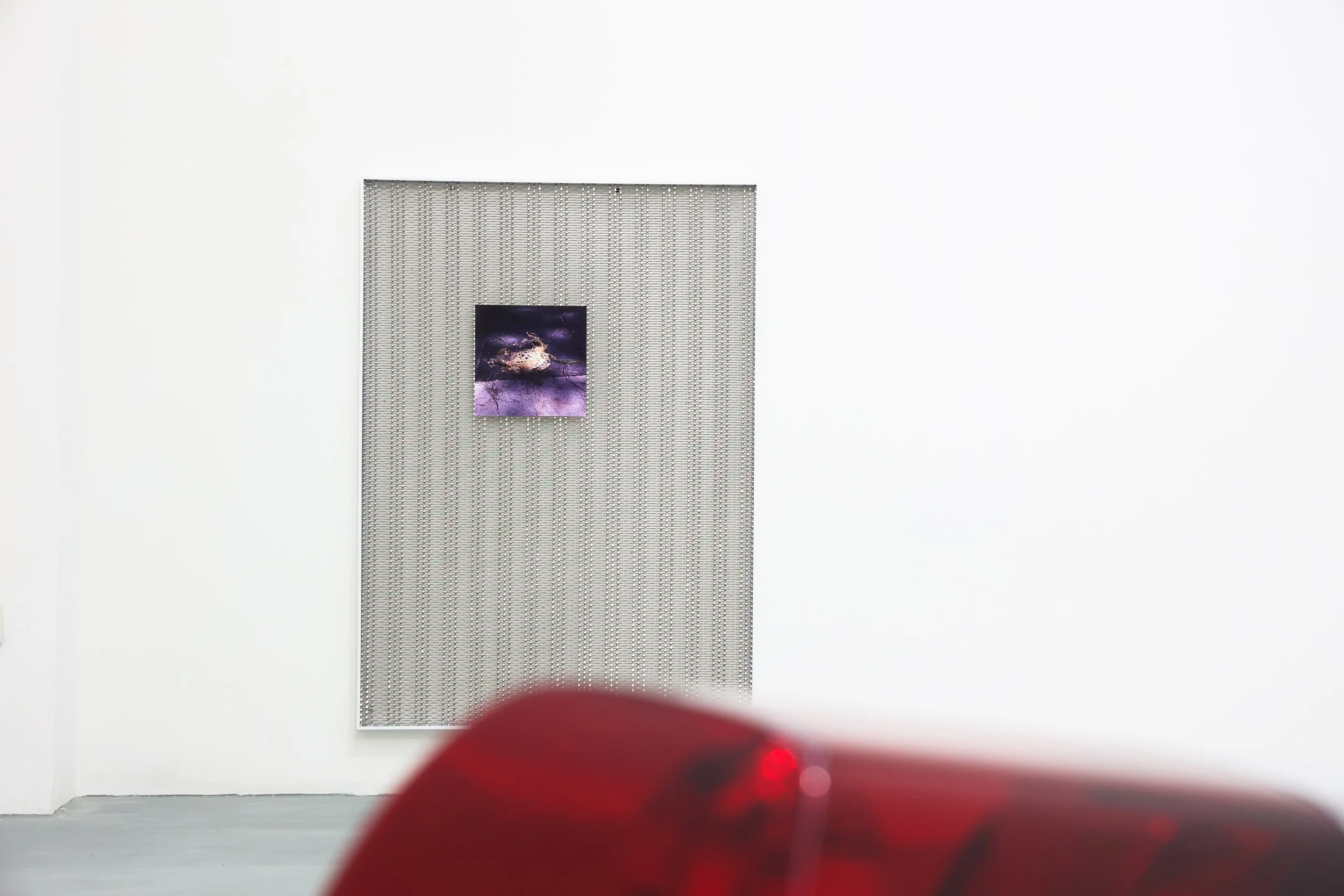
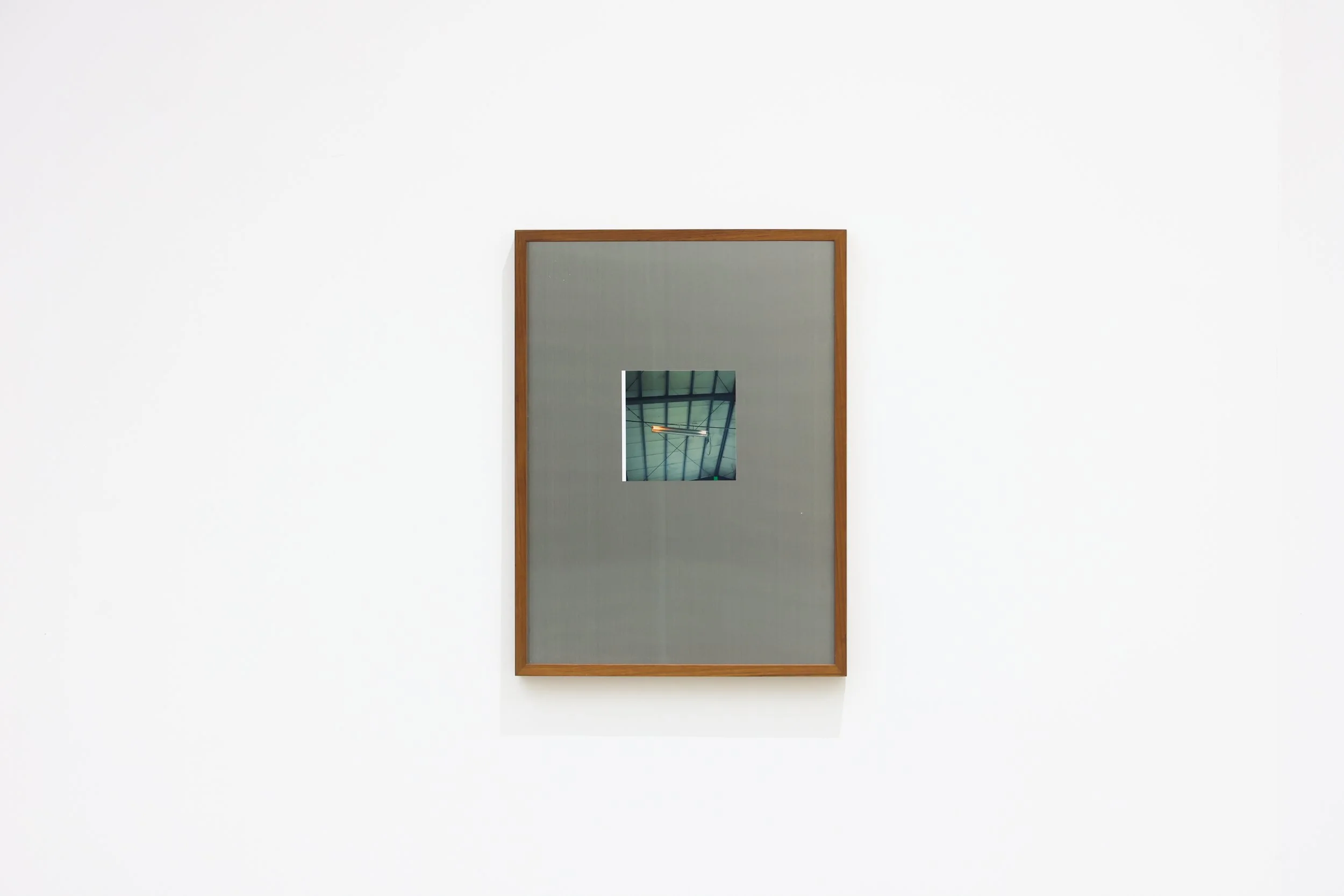
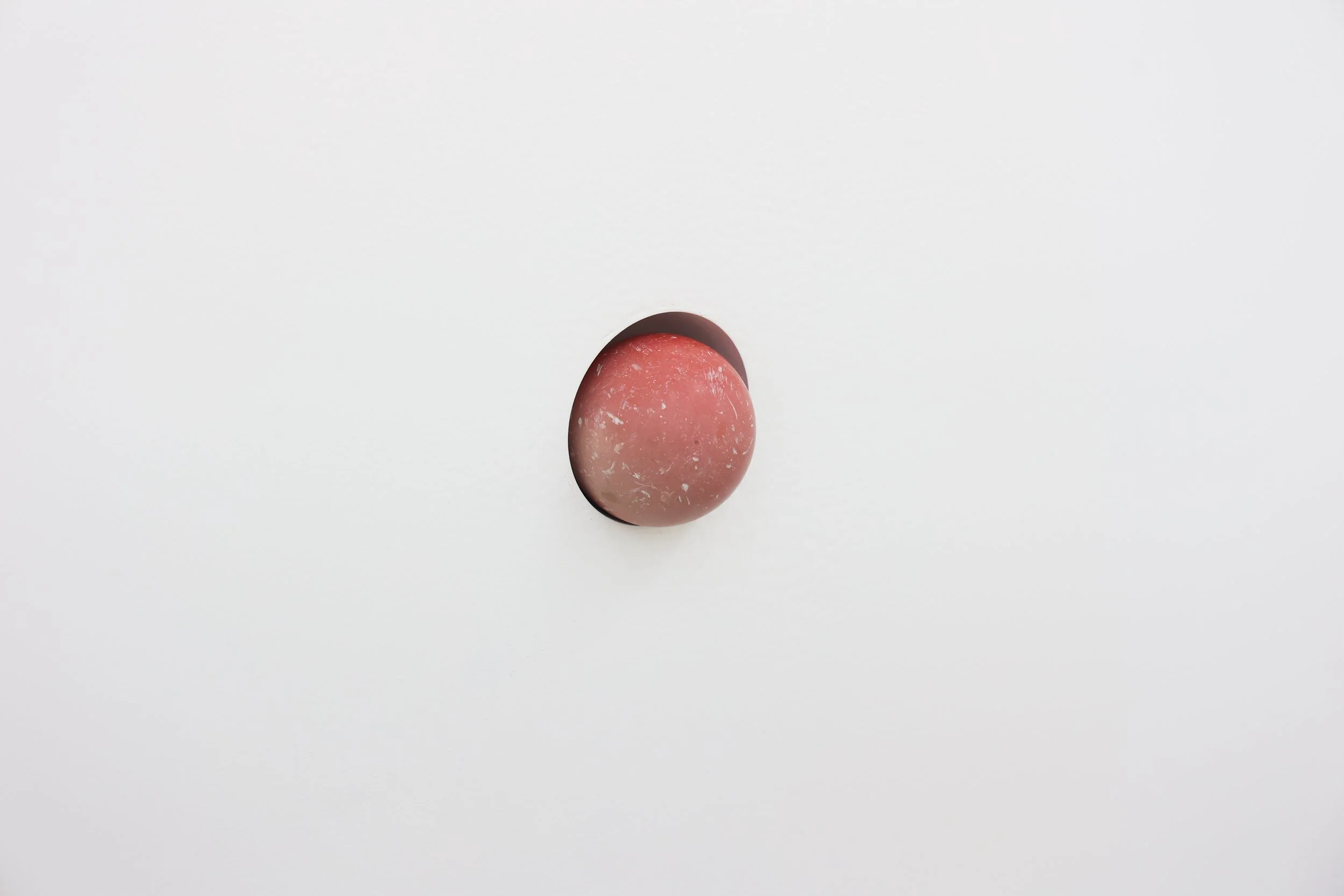
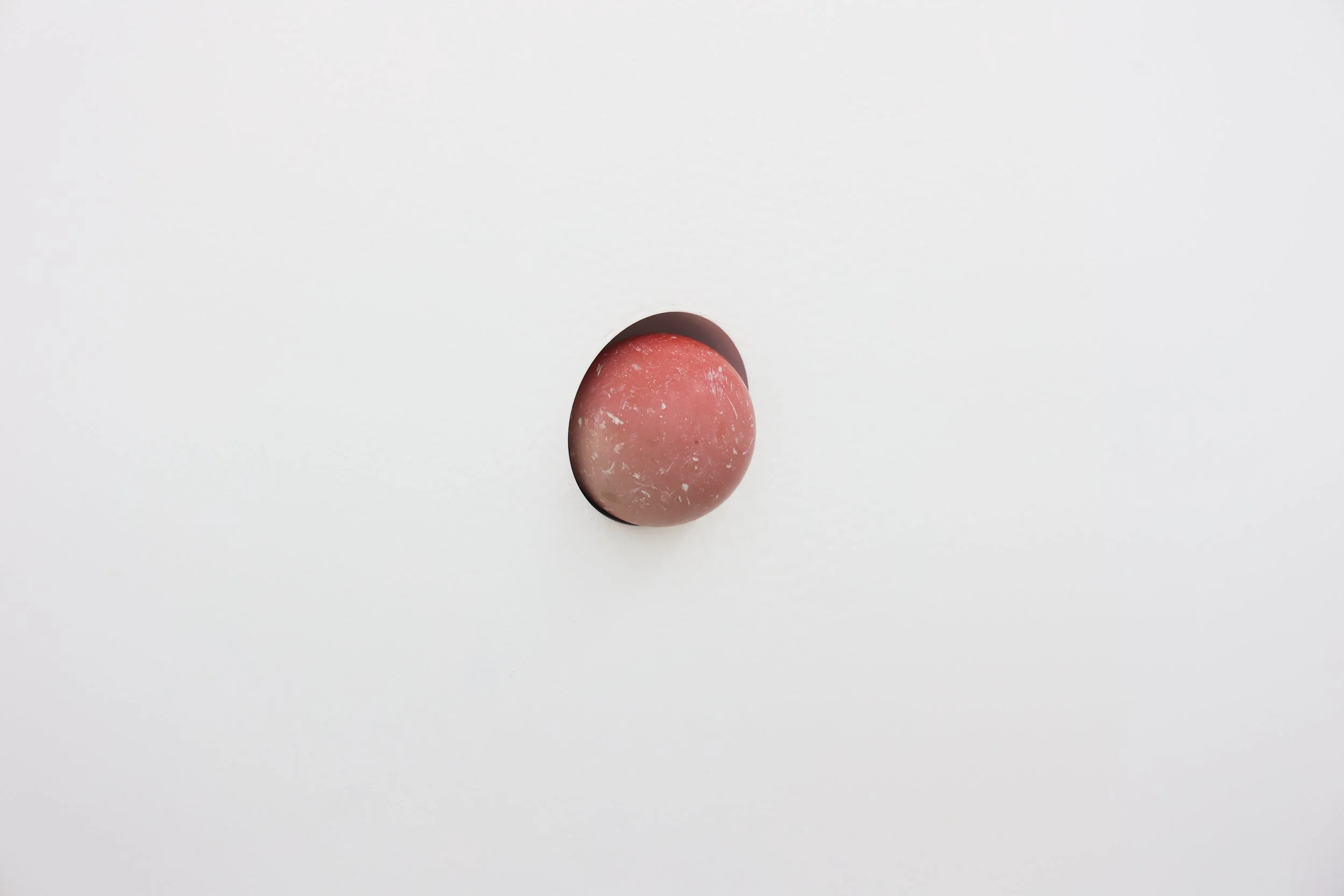
During the frenzied heights of Taiwan’s economic boom, the evening paper served as the primary vessel for the day’s market indices and collective social anxieties. Yet, for an adolescent Liu Hojang, the weekend cultural supplement offered a sanctuary—a space in which to construct his cultural imagination and find intellectual refuge. The yellowed newspaper cuttings he snipped by hand and preserved over the decades have since become his unique instruments for measuring time and memory.
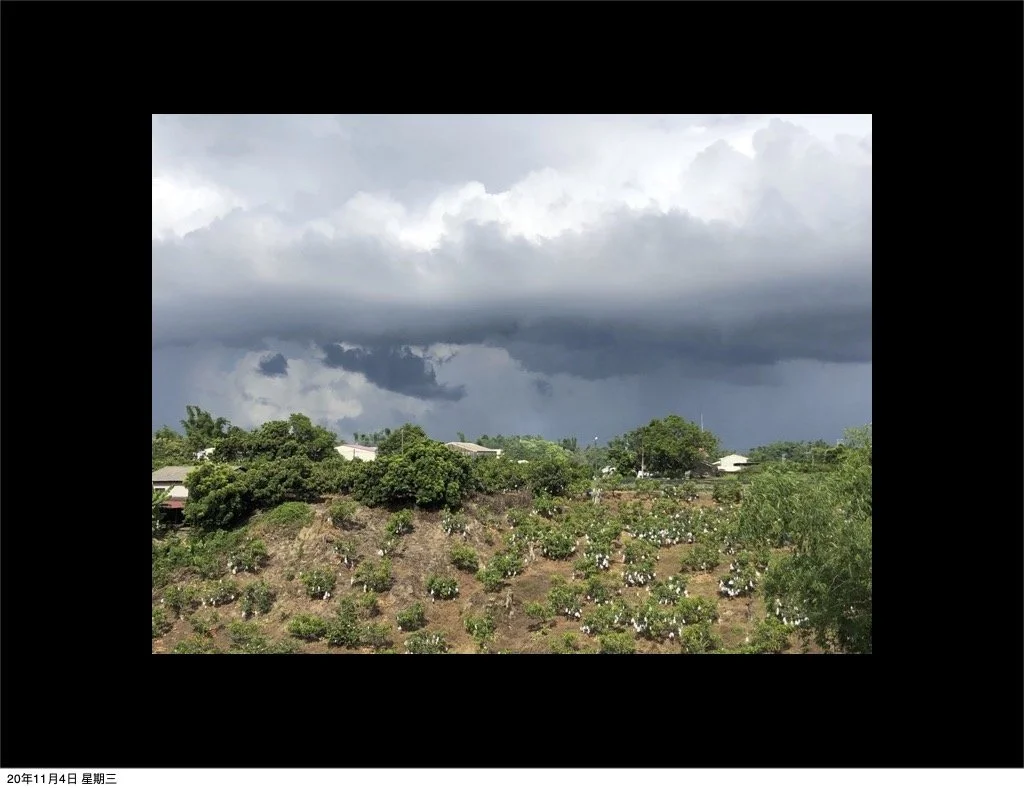
This exhibition functions as a belated ‘evening edition’, gathering the trajectories of the artist's practice and spatial enquiries over a span of many years. Late News unfolds across three distinct geographical sites: ss space space and spd in New Taipei, and ‘365 East Forest Road’ in Chiayi. Through this dispersed framework, Liu extends the spatial investigations he first initiated in his 2017 Taipei Fine Arts Museum solo exhibition, Virtual Habitat. By treating these three locations as shared junctures of collective time and fragmented space, he deconstructs the transmission of information. Instead, he traces the elusive, lingering afterimages that emerge once memory has been mediated and shaped by physical matter.
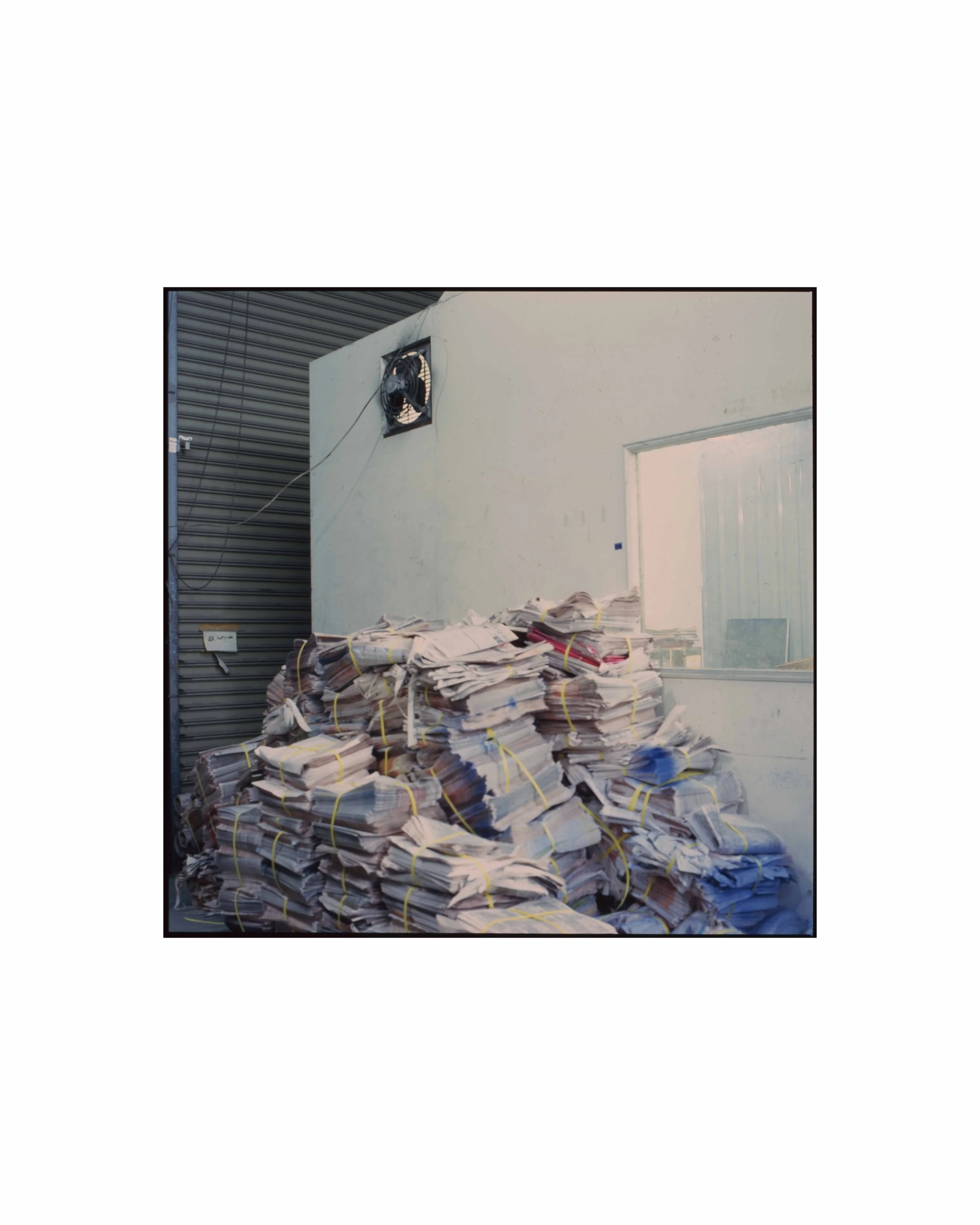
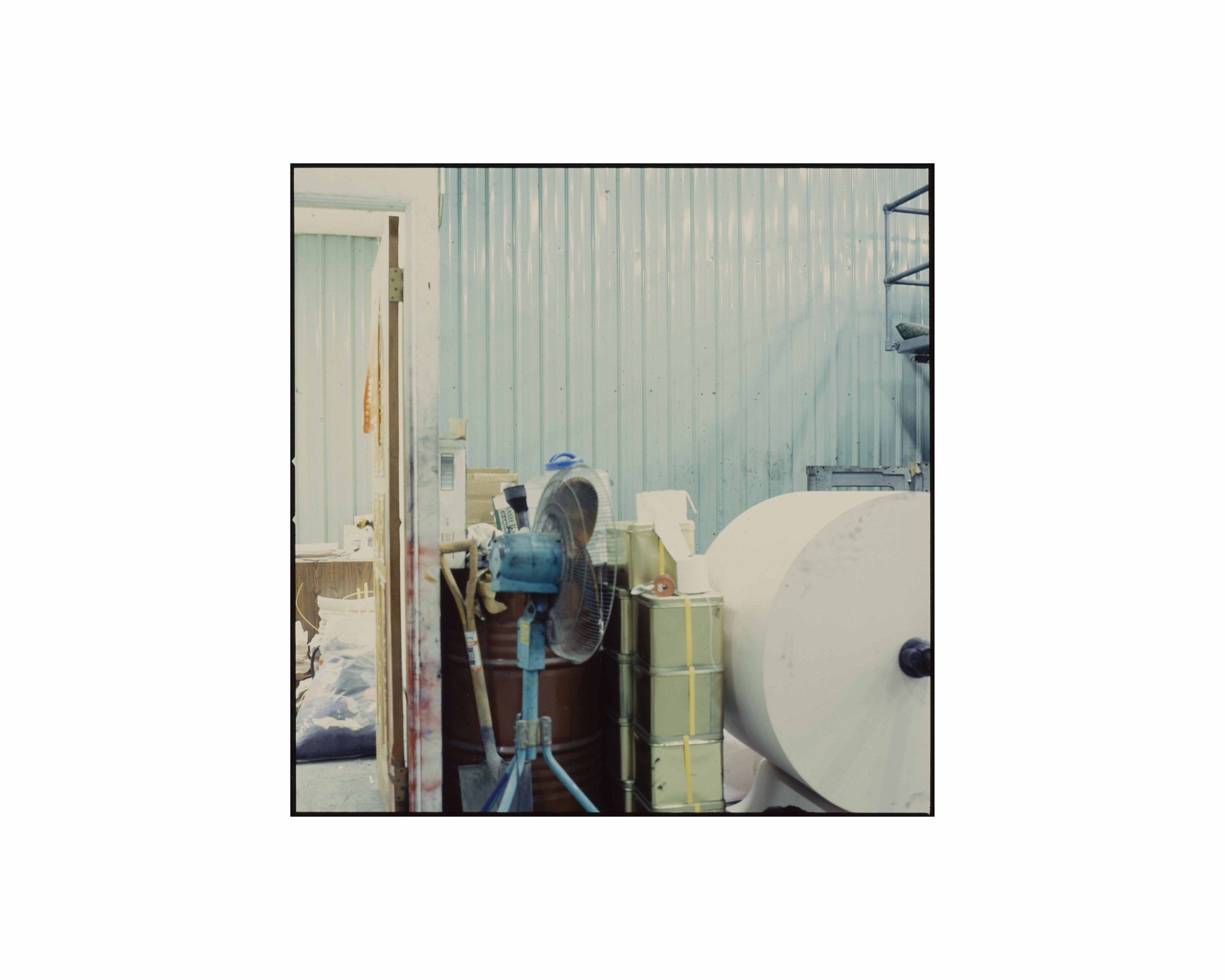
In this exhibition, Liu operates as both an archivist and a land surveyor, wandering the perimeters of time. He likens his early habit of clipping newspapers to sampling fragments of reality. These samples range from the fragmented memory of a shipping container interior from the 2000 Dover tragedy, to the abruptly halted flight paths over Queens following the events of 11 September 2001, to photographs taken in the dead of night at a printing plant in Bali, New Taipei. Rather than attempting to reconstruct objective historical events, these images capture the residual traces of perception, mapping the fault lines between image-based narratives and material reality.
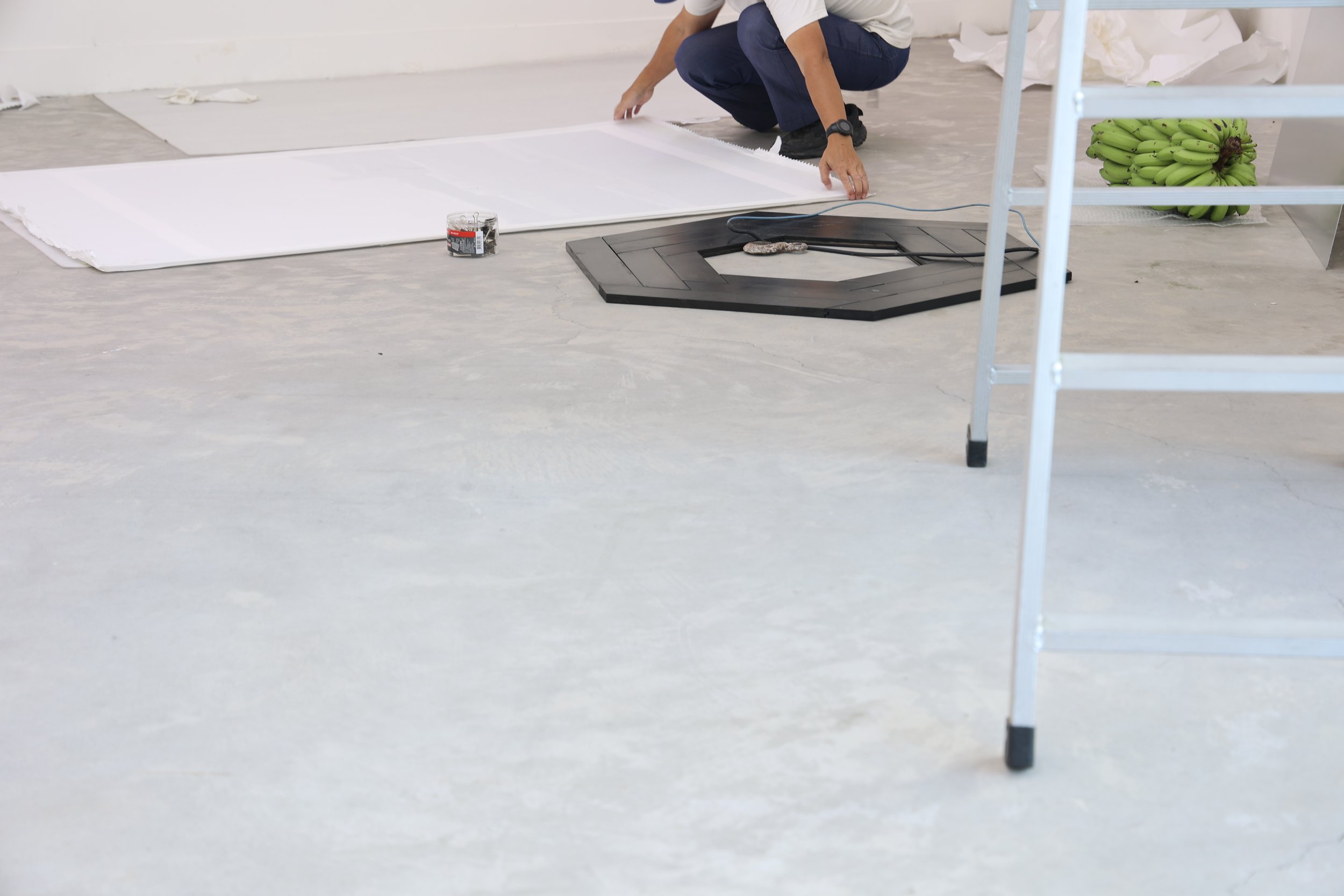
This temporal dislocation is deeply embedded in Liu’s material vocabulary and spatial interventions. The installations bear the intense marks of physical labour intertwined with geopolitical metaphors. We see hexagonal flooring laid in figured maple typically reserved for instrument necks; Taking Shape, an assemblage suspending a Formosan sambar deer skull to interrogate the overlapping borders of lawful concessions and indigenous hunting grounds; and layered primary-colour acrylic works that map the extraction of mineral ore onto the domestic placement of feng shui plants. Liu deftly orchestrates a dialogue between a material's production history and the space it occupies.
For Liu, space-making is an endless daily practice—evolving from mt.black (2012) through spd (2023), and arriving at the deliberate, slow-paced cultivation of his ‘forest’ in Chiayi. The artist describes this forest not merely as a physical plot of residual land, but as a site of spiritual anchorage. While the external landscape continues to shift naturally, its internal equilibrium relies on the artist’s day-to-day routine of gathering, selecting, and manual labour.
Late News does not deliver breaking headlines or immediate resolutions; it is a spatial dispatch sent with deliberate delay. Where language and text reach their descriptive limits, physical space and material texture step in to carry the unsung reverberations of history. Across its three venues, the exhibition invites viewers to pause between movement and stillness, re-reading the suspended rhythms of the everyday, forgotten historical coordinates, and the quiet resonance of matter gradually revealing itself against the passage of time.
在臺灣股市狂飆的年代,《晚報》曾是承載著當日經濟指數與社會情緒的重要載體;然而,對於少年時期的劉和讓而言,週末晚報上的藝文副刊,卻是他建構文化想像與精神滿足的棲息地。那些經由手工剪輯、留存至今的泛黃剪報,成為他測量時間與記憶的獨特刻度。
這場展覽本身如同一份遲來的「晚報」,集結藝術家跨越漫長歲月的創作軌跡與空間探問。此次個展《晚報》刻意將展演部署於三個不同的地理座標——ss space space、spd,以及位於嘉義的「365 號路東森林」。透過這場跨越新北與嘉義的離散式展演,劉和讓延續了其自 2017 年於台北市立美術館的個展《境物虛擬》以來對於空間的探問。他將這三處視為共有時間與離散空間的對話節點,試圖在持續的日常工作狀態中,解構訊息的傳遞,轉而追溯記憶被物質形塑後,那份充滿游移且延遲的「暫留」關係。
在本檔展覽中,劉和讓如同一個漫游於時間邊緣的檔案學家與空間測量者。他以昔日的剪報行為比擬為對現實世界碎片的採樣:無論是西元 2000 年英國多佛港偷渡事件在記憶中始終殘缺的貨櫃透視影像、2001 年紐約皇后區因 911 事件而戛然而止的航班航線紀錄,還是多年前於八里印刷廠某個暗夜裡的紀錄照片,這些影像並非意在重現客觀的歷史現場,而是捕捉感知過後的殘像,皆共同描繪了影像敘述與現實物質之間的斷層。
這些時間的錯位與延宕,同樣深植於他對物質的轉譯與空間介入。展覽中的裝置作品帶有強烈的勞動痕跡與地理政治隱喻:以琴頸楓木鋪設而成的六角實木地板、懸掛水鹿頭骨以探問合法礦區與狩獵區邊界交疊的《取形記》,與透過 RGB 三原色壓克力交疊隱喻礦石開採與室內風水植栽的影像裝置等,劉和讓巧妙地將材料的生產履歷與空間產生對話。對他而言,空間的製造是一場無止盡的日常實踐,從 2012 年的 mt.black、2023 年的 spd,推延至如今拖緩進行中的「森林」。藝術家形容這座「森林」不僅是物理上的畸零之地,更是心靈的原始寄託;在外部土壤持續造化的同時,內部的守成則仰賴著藝術家日復一日的選物與勞作。
《晚報》不是一份提供即時解答的新聞快訊,而是一份延遲派送的空間備忘錄。文字與語言或許有其描述的極限,但空間與物質卻能用各自的方式承載那些未被說盡的餘音。這場發生在三個不同地點的展出,邀請觀者在移動與駐足的間隙中,重新閱讀那些被懸置的日常、被遺忘的歷史座標,以及在時間流逝中逐漸顯影的物質微光。
Artist
Hojang Liu 劉和讓